Crafted Thoughts

Insights on Building & Business.

Honest perspectives from the jobsite — on craft, clients, and running a small business.

Honest insights on craftsmanship, business, and the work behind the work. Posts will appear here as they’re published. In the meantime, follow along on Instagram for daily updates from the jobsite.

Hand drawing the word CREATE with a pencil

The Engines of Innovation

Innovation does not happen by accident. It emerges where three forces intersect: selection, synthesis, and conviction. These principles explain not just how new ideas form, but how environments can be designed to foster meaningful progress. Today, they are the driving forces behind what I call the New Renaissance — a period where thoughtful rebuilding of communities, systems, and relationships creates real opportunities for growth and human development.

Every idea, problem, or signal is not created equal. Selection is the discipline of noticing what is truly valuable and filtering out the noise. In today's world, with information and tools like AI more accessible than ever, the challenge is to discern which ideas are meaningful and which are distractions. Politics often diverges from innovation here: it rewards visibility, posturing, and influence, while selection requires attention to actual impact and potential value.

Once valuable inputs are selected, innovation requires synthesis — the ability to combine disparate insights into something greater than their parts. Ideas from different industries, technologies, and human experiences collide to form something new. Healthy environments encourage curiosity, challenge assumptions, and foster collaboration, creating fertile ground for breakthroughs. Think of Henry Ford. He did not invent the automobile, nor did he invent the assembly line. He combined processes from multiple industries into something so efficient that even in the economic turmoil of his time, almost every working man could afford a vehicle. Where is Henry Ford when you need him?

Even the best-selected insights and most brilliant syntheses mean nothing without conviction — the willingness to take risk, to act on an idea when outcomes are uncertain, and to build value rather than seek applause. It is the force that separates genuine innovation from mere speculation. When A.L.A.M. flat out rejected Ford's car, his company dissolved not long after. What did Ford do? He entered a race against the foremost race car driver in the country, Henry Winton, using a car now known as the Ford "Sweepstakes." He knew the press would force the public to acknowledge his car, giving him the funding he needed. They raced at such speeds that Winton's car began smoking on the sixth lap — but Ford's specially designed porcelain insulators and fuel injection system handled the heat and Ford won. That is conviction. He built his own car and raced against the best driver in the country.

The New Renaissance is about applying selection, synthesis, and conviction not only to ideas but to the very communities we inhabit. By consciously choosing what matters, connecting disparate experiences, and acting with courage, we rebuild spaces that are healthier, more stable, and more productive. Innovation fuels trust, trust fuels collaboration, and together these create a virtuous cycle where people and ideas thrive.

Politics and innovation often occupy the same space but operate under different principles. Politics protects power, rewards visibility, and optimizes for alignment. Innovation seeks outcomes, generates value, and thrives on friction. When communities prioritize innovation over politics, they foster stability, growth, and shared opportunity.

Tools like AI can support the innovation process by helping organize information or suggest connections, but they do not replace human judgment, curiosity, or conviction. The heart of innovation remains human: noticing patterns, making connections, and acting boldly. AI is a supplement, not the driver.

Innovation is not magic. It is a process built on selecting what matters, synthesizing ideas across boundaries, and acting with conviction. The future belongs to those who can see clearly, connect thoughtfully, and act decisively — not to those who rely on posturing, influence, or chance.
The New Renaissance

Founding Document

We live in an age of extraordinary capability and quiet fracture. Our tools are powerful and our reach is vast, yet many feel unseen, unheard, and unanchored.

The New Renaissance arises from a simple recognition: society does not fail from a lack of innovation, but from a loss of connection, meaning, and shared responsibility.

This document exists to name a path forward. Not through force, ideology, or conflict, but through renewal rooted in local life, human dignity, and peaceful cooperation.

The purpose of The New Renaissance is to restore community, meaning, and trust by rebuilding culture from the ground up. Beginning locally and expanding outward through example rather than imposition. We seek not to oppose the modern world, but to humanize it.

We recognize that human dignity is inherent; that community precedes institution; that creation restores meaning; that peace grows through proximity; and that truth requires humility.

Every person possesses worth beyond utility, productivity, or belief. Healthy societies are formed first by neighbors, not by institutions or decrees. Making, repairing, teaching, and building of any kind are acts of lasting significance. Our strength lies in what we share. Understanding is cultivated through presence, not distance or abstraction. No single voice, platform, or authority holds the whole story.

We affirm technology as a tool to serve human flourishing. We reject any use of technology that replaces human judgment where wisdom is required. We deny consent to any use that erodes community, agency, or responsibility, or that reduces people to data, targets, or abstractions.

Power must remain accountable to the people it affects, and tools must remain subordinate to human values.

The New Renaissance is lived, not broadcast.

We practice it through local gatherings and shared spaces; through honest conversation and mutual aid; through skill-sharing, craftsmanship, and education; through ethical enterprise and transparent leadership. We value art, beauty, and pride of ownership.

There are no spectators. Participation is the only membership.

We reject the cult of saviors. Leadership within The New Renaissance is distributed and earned, never declared. It is temporary, accountable, and transparent. Stewardship, not dominance, is the measure of authority.

By affirming this document, we commit to act locally before speaking globally; to build before criticizing; to seek understanding before judgment; to choose place over provocation; and to leave our communities stronger than we found them.

We accept responsibility for the culture we inhabit and the example we set.

We envision a society where people are known by their character, not their categories. Where disagreement does not require dehumanization. Where work is honorable, beauty is shared, and community is tangible.

This is not nostalgia. It is renewal with memory intact.

This is The New Renaissance.

Affirmation

This document belongs to no party, nation, or ideology. It may be adopted, adapted, and lived wherever people choose to rebuild together.

Signed not in ink alone, but in action.

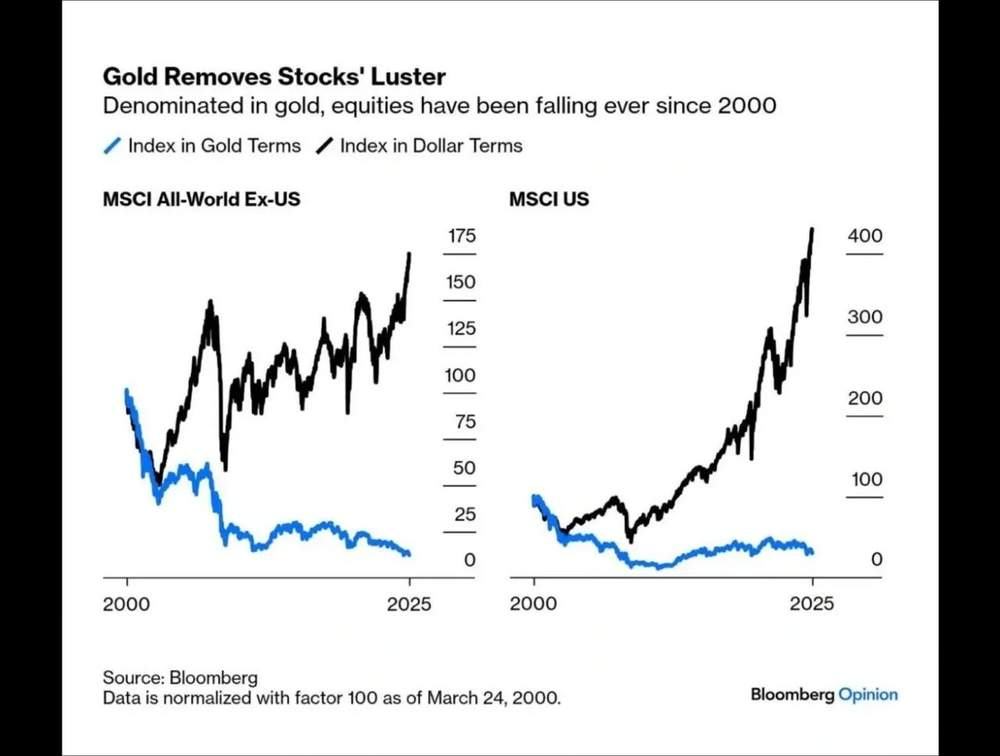
Bloomberg chart showing MSCI US equities vs gold

The Economic Shot Heard ‘Round the World

It's no secret that gold has hit all-time highs in the markets this week. It's also no secret that the ripple effects of multiple administrations' economic policies have done little to quell this shift — the move away from the U.S. dollar.

Supply chain issues, massive government stimulus packages, bailouts, and runaway spending have brought the national debt to levels never considered before. Couple this with tariffs that have crippled many small businesses and supply chains, and it becomes pretty easy to see that these conditions are not exactly "transitory," as Janet Yellen suggested a few years back.

Debt to GDP has reached highs not seen since the peak of borrowing in World War II — when the Allied powers recreated the global financial system around the U.S. dollar during the Bretton Woods Agreement, which was backed by gold. According to the National Bureau of Economic Research, the high inflation of the 1970s and the pressures of the Vietnam War led to increased strain on the U.S. economy. It became clear that the supply of gold might not match the debt notes being issued, and trust in the dollar weakened. Nixon later announced that dollars could no longer be exchanged for gold, creating the monetary system we now know as the Petrodollar.

Fast forward to today. Nations like China and India are buying gold and other commodities at record levels to back their BRICS initiative, supporting their currencies as they move away from the dollar — and eight other countries are joining them. This further reinforces the idea that the dollar is no longer the secure investment it once was.

Need proof? I was talking to my father about this the other day. He used the example of his home. In 1984, my parents bought their house for around $35,000. The price of gold at that time was $380 per ounce — meaning he could have purchased the house with 92 ounces of gold. Forty-one years later, that same house is valued at around $300,000. With current spot prices at $4,000 per ounce, you could buy the same house for only 75 ounces. So you tell me: are gold prices inflating, or is the dollar shrinking?

Commodities are tangible. To hold the world's supply of essential materials necessary for our infrastructure is to invest in our future. Energy, food, building materials — it's all been trending high with no end in sight. Markets and people are seeking quality assets with real, tangible value.

But history tells us things. The Renaissance was only possible because of what happened during the Dark Ages. Things changed, people changed. As humanity, we developed some of the most advanced concepts ever conceived in that period — the scientific method, expanded literacy, ideas that were no longer suppressed. A new world emerged from the rubble of the old one.

What does this mean for small business owners? The reality is that small businesses bore the brunt of the economic shutdown while one of the largest transfers of wealth in history took place. Corporate America was deemed "essential" while restaurants and barbershops suffered. Portfolios grew and profits soared for corporations while Main Street was handed the Paycheck Protection Program and told to go home.

But I believe a shift is happening — and has been happening for quite some time. I believe we are entering a kind of New Renaissance. Rather than leaning heavily on technology and focusing on patterns that divide us, we can focus on people-centered, community-based solutions. Yes — Main Street will rise again.

In these tough economic circumstances, we need to buckle down, get back to basics, and focus on delivering quality and craftsmanship. Minimize debt. Practice sustainability. Work together as business owners and as a community — not just to support each other, but to rebuild this economy brick by brick.

The New Renaissance won't be defined by how connected we are digitally, but by how connected we are as a community. If we can lead with purpose, create with pride, and serve with humility, we will not only rebuild Main Street — we will restore the foundation of the American dream itself.

Let's build a better world together.

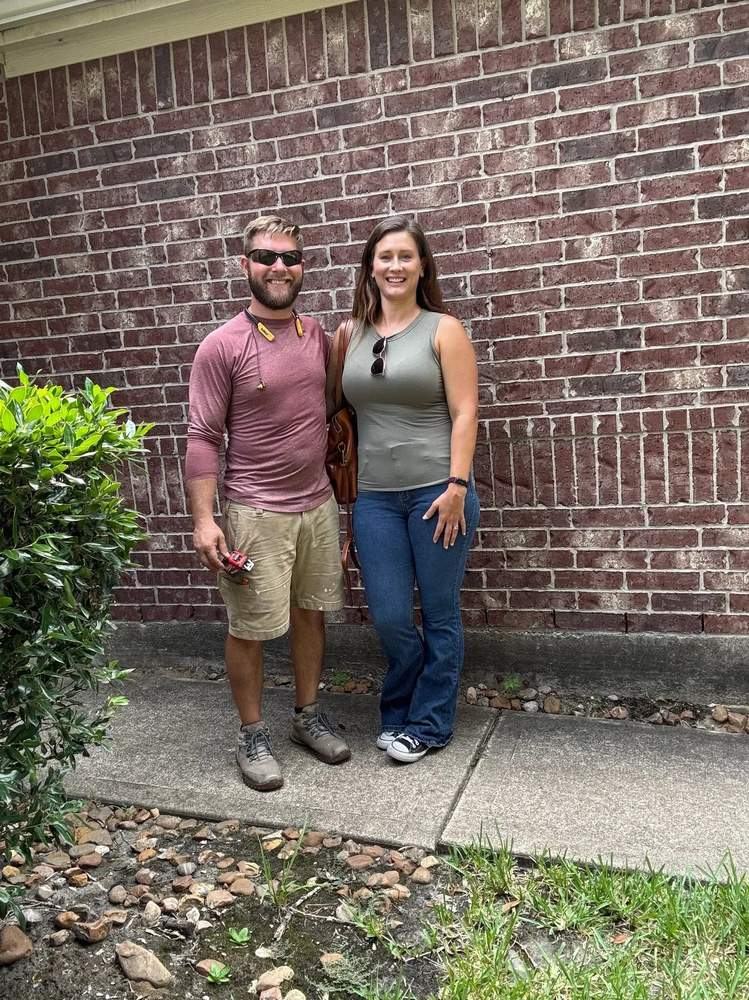
Reise and Kristin Pomroy at a Friendswood property

Real Estate & Remodeling: A Powerful Partnership in Friendswood

At Pomroy Builders Group, we are always looking for ways to bring more value to our clients. That is why we are excited to share our collaboration with Kristin Pomroy, Realtor®. By combining the in-house services of a local real estate professional with the hands-on knowledge of a remodeling company, homeowners and investors in Friendswood, Texas gain a unique advantage in today's competitive market.

When you work with a Realtor® and contractor under one roof, you get more than just property listings and repair bids — you get a complete picture of a home's current and future value. For buyers, this means accurate comps paired with realistic remodeling estimates before making an offer. For sellers, it means knowing which updates will generate the best return on investment when it's time to list.

Most real estate decisions begin with a question: what is this home worth? Kristin provides market analysis and comps, while our team at Pomroy Builders Group evaluates the property's condition, potential repair needs, and remodeling opportunities. Together, we help clients see both the "as is" value and the "after improvement" potential.

Not all upgrades are created equal. Investors and homeowners in Friendswood often want to know which improvements will pay off the most. Our combined approach makes it easy to pinpoint high-value projects — whether that's fresh interior paint, energy-efficient windows, kitchen and bathroom updates, or exterior siding improvements. With Kristin's real estate knowledge and our remodeling experience, we guide clients toward the smartest investments.

For property investors, having immediate access to comps, remodeling estimates, and resale strategies in one place streamlines decision-making. Instead of juggling multiple contractors and agents, investors benefit from coordinated service and a shared vision. This reduces risk, speeds up timelines, and maximizes returns.

Our partnership with Kristin is about more than convenience — it's about helping clients in Friendswood make informed, confident decisions with their homes and investments. Whether you're preparing to sell, searching for your next property, or investing in real estate, you'll have the right team in place from the start.

Learn more about Kristin's real estate services at holdsthekeyrealty.com. Together, we're helping Friendswood homeowners unlock the full potential of their properties.

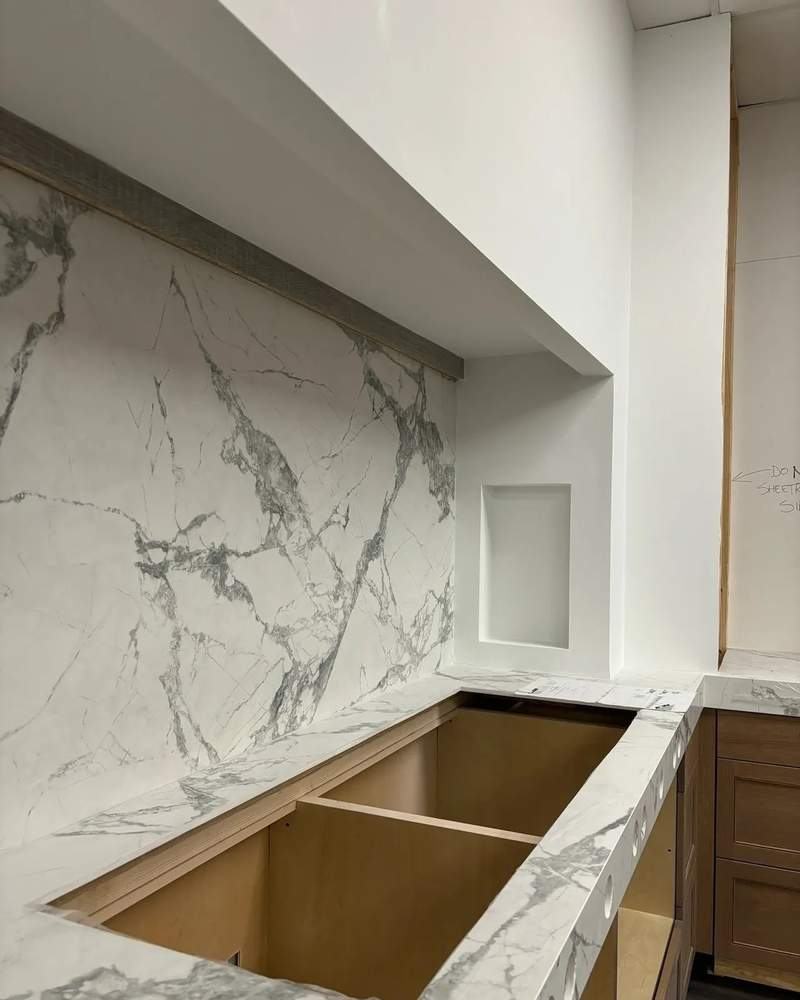
Marble countertop and backsplash installation in progress

No One Cares

Back when I was working commercial electrical, I spent a lot of time running conduit. Now, for most people, conduit is just that shiny pipe that wires disappear into. But for us, it was almost like a craft. Before we ever bent a stick of pipe, we'd stand there staring at the walls, ceilings, and beams, mapping out the cleanest, shortest, smartest way to run it.

Sure, part of it was practical — shorter runs meant less material, easier pulls, and less labor. But the other part? Honestly, it was pride. We'd kind of compete with each other to see who could make the cleanest, straightest, best-looking run. Perfect ninety-degree bends, offsets that looked like they were laid out with a laser (and sometimes were), straps lined up like soldiers.

And when it was all done, we'd step back, arms crossed, nodding at our masterpiece. Then somebody would chuckle and say, "And no one cares."

Because the truth was — no one did. The PM didn't care. The employees didn't care. As long as the lights turned on and the breaker didn't trip, that was good enough for them. Nobody was ever going to stop and say, "Man, look at the craftsmanship in those parallel offsets."

But we cared.

That little joke — "no one cares" — has stuck with me. It reminds me that there's always a difference between the details that absolutely matter and the details that are just extra. Critical details are the ones tied to safety, longevity, and function. Those are non-negotiable. To skimp on windows, for instance, is something customers will always notice and always regret. But to install door casing as baseboard? Cringe-worthy — and yet it happens.

Then there's that other layer — the stuff that elevates a job from done to done right. Trim that's proportioned to the style of the house. A casing detail that makes a window feel intentional instead of just filled in. A paint line that's straight enough to make you pause. Most people don't know enough to notice those details individually, but they feel the difference.

The hard part is, not everyone is willing to pay for that difference. Sometimes people see craftsmanship as an "extra" they can cut. That's when you have to balance how much time and energy you pour into something no one may ever really value at its true worth.

These days, when I'm walking a site with a homeowner, I think back to those conduit runs. I try to pre-plan the same way — only now it's about guiding clients toward the best possible outcome for their project. That's why I always put my best foot forward when writing a proposal or making suggestions. It's not about showing off. It's about giving people a clear path — what's possible, what makes sense, and what pitfalls to avoid.

The more I've learned about architecture, trim styles, and proportioning, the more I can make creative suggestions that don't just finish the job, but finish it in a way that feels right. Sometimes that means encouraging someone to invest in higher quality. Other times, it's talking them out of a decision that might save money now but leaves them with something they'll regret later.

At the end of the day, I know a lot of the details I fuss over will go unnoticed. Just like those conduit runs, no one's going to stop and admire every joint, every proportion, every line. But people can always tell the difference between a job that just got done and a job that was done with care.

And the truth is — I notice.

So yeah, I still laugh about it. "No one cares." But really, that's the point. You care. You learn your craft. You show up with ideas, with experience, with pride. You do the work the way it ought to be done, even when nobody's looking. Because that's the stuff that builds trust. That's the stuff that lasts. And deep down, that's the stuff that does matter.

Hand holding a stopwatch

Slow It Down, Buddy: The Tempo of Building and Business

In an ever-changing world of instant clicks, high-speed deliveries, and 24/7 connectivity, small business owners are constantly adjusting. We cut costs, refocus our energy, learn new apps, chase new trends. Then we check the numbers. Then we check them again.

Always calibrating. Always trying to figure out what works and what doesn't — because "change or die," right? If you're not on the new platform, learning the new tool, or doing the new dance, you're behind. Hustle harder. Grind more. That's the gospel.

But what happens when all that adjustment and acceleration starts to work against the mission? When the focus shifts so hard toward speed, we risk breaking the very thing that makes small business beautiful: the ability to serve others with care and deliver something that actually lasts.

Let me tell you a story.

I played soccer my whole life. I wasn't the guy lighting up the scoreboard with goals, and I didn't need to be. My strength was possession — keeping the ball when the game felt wild and fast. While everyone else was running hard and frantic, I took control of the tempo. Forward, backward, sideways — it didn't matter. We'd hold possession until the right moment, and then... execution.

My best stat wasn't goals — it was assists. I found joy in setting the pace, reading the field, and playing the long game. Letting the chaos swirl around me while I slowed the clock down, created space, and helped my team move with purpose instead of panic.

That same mindset has shaped the way I run my business.

Because these days? It feels like everyone is trying to play the whole game at double speed. We accept next day deliveries. We listen to podcasts on 1.5x. More input, more output, more hustle. But somewhere in the rush, the quality suffers. The clarity slips. The mission — to serve others and create something meaningful — gets buried under a pile of productivity hacks.

This is especially true in construction and remodeling, where speed and efficiency often reign supreme. Beat the deadline. Shave seconds. Skip the prep. Cut a corner. Clean up? Shove it in a wall. But when we operate like that, what are we actually building? A job might be "done," but is it done well? Is it done right? Will it stand? Will it serve?

That's the difference between chasing the clock and controlling the tempo. One is frantic. The other is focused. One wears you out. The other builds something lasting.

So maybe it's time we all slow it down a little. Re-center on the mission. Serve others with intention. Deliver something that matters — not just something that's fast.

Because in business, just like on the field, sometimes the most powerful move is to take a breath, take your time, and wait for the moment that really counts.

And then... execution.

Siding Installation: Best Practices and Cost Analysis

When it comes to re-siding a home or completing an exterior upgrade, James Hardie Plank siding continues to be one of the most trusted and sought-after choices in the industry. Known for its durability, fire resistance, and crisp appearance, Hardie siding has earned its reputation as a go-to material for both residential and commercial applications. However, the true value of Hardie siding is only fully realized when it's installed correctly — and this includes a few essential best practices that often get overlooked.

One of the most critical aspects of installing Hardie Plank siding is properly managing water around all seams, particularly at butt joints. These vertical seams between siding boards are vulnerable to moisture intrusion if not handled carefully. Best practice dictates the use of flashing behind every butt joint — typically a corrosion-resistant flashing at least six inches wide, centered behind each joint and extending a minimum of one inch above and below. Importantly, these joints should never be caulked. While caulking may seem like a good solution, it tends to fail over time and can trap moisture rather than allow it to escape, potentially leading to rot or mold behind the siding.

Fastening is another critical component. Hardie Plank must be securely attached to studs, not just to the sheathing. This ensures long-term hold and stability, particularly in regions prone to high winds. Nails should be corrosion-resistant — hot-dipped galvanized or stainless steel are the preferred choices. Blind nailing, where nails are hidden under the overlap of the next board, is generally recommended unless local codes or weather conditions require face nailing.

When it comes to finishing, James Hardie offers a prefinished product called ColorPlus, which comes with a baked-on finish that is fade-resistant and backed by a warranty. For field-painted installs, all cut ends must be primed and sealed with high-quality acrylic latex paint to ensure a weatherproof envelope. Caulking should be used sparingly and only around penetrations, trim intersections, and other critical transition points.

One of the most significant performance upgrades you can add to any siding system is a rain screen. A rain screen is a drainage and ventilation gap that sits between the siding and the wall sheathing. By creating this small airspace, you allow any moisture that gets behind the siding to drain away and promote airflow, helping the wall dry faster. This reduces the risk of mold, rot, and trapped humidity. A typical rain screen system consists of vertical furring strips installed over a weather-resistant barrier, with the siding attached to those strips. The bottom and top should be left open but screened to allow airflow while preventing insect intrusion. In many regions with high humidity or frequent rain, rain screen assemblies are not only advisable but increasingly required by code.

From a cost standpoint, Hardie Plank provides a compelling value. Installed pricing typically falls between $10 and $13 per square foot, which positions it as more affordable than cedar and other wood siding options ($12 to $18 per square foot) and less expensive than premium synthetic materials like Boral TruExterior ($14 to $17 per square foot installed). Beyond the initial price, Hardie Plank offers a significant edge in maintenance and longevity. With a lifespan of over 30 years and minimal upkeep requirements, it consistently outperforms natural wood, which demands regular painting or staining and is far more susceptible to rot, insect damage, and weathering.

In terms of aesthetics, Hardie Plank offers clean, uniform lines and can be purchased with either a smooth or woodgrain texture. While some homeowners prefer the natural warmth of real wood, Hardie offers a level of consistency and paint retention that is difficult for wood to match over time. Boral TruExterior provides a strong compromise — the appearance of traditional wood with better dimensional stability and resistance to the elements — but comes at a higher cost and is heavier and more labor-intensive to install.

When installed correctly — with proper flashing at all joints, a smart rain screen system, and the right sealing techniques — James Hardie Plank siding delivers unmatched value and performance. If you are planning a siding upgrade and want expert guidance or a professional install that follows all the best practices outlined here, reach out. We are happy to consult on your options and help you build a beautiful, weather-tight exterior that lasts.

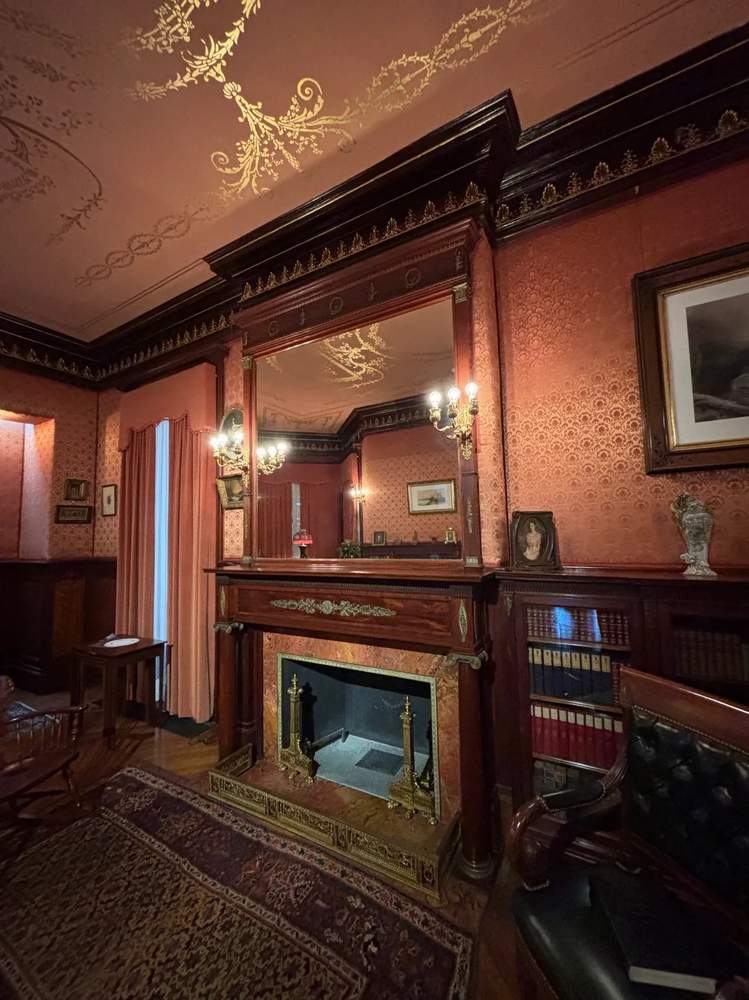
Interior of the Moody Mansion in Galveston, TX

Inspiration in Craftsmanship: The Moody Mansion

There's something magical about stepping into a place where history, art, and design converge — and that's exactly how I felt during my recent visit to the Moody Mansion in Galveston. This iconic home, with its grandeur and impeccable craftsmanship, left me inspired — not just as a lover of architecture, but as someone who deeply appreciates the artistry that goes into creating timeless spaces.

Walking up to the Moody Mansion, I was immediately struck by its commanding presence, built on what was obviously a major thoroughfare in its day. Designed by architect William H. Tyndall with interiors by world-famous New York design firm Pottier & Stymus and completed in 1895, its architecture feels both imposing and inviting. The massive stone arches, intricate carvings, and towering structure make it clear that this home was designed to impress.

The moment I stepped inside, I was transported back in time. The grand foyer, with its rich wood paneling and stunning stained-glass windows, felt like a perfect blend of elegance and warmth. It's rare to find a space where every detail tells a story, but here, every corner felt like a work of art.

What struck me most was the craftsmanship. I couldn't stop admiring the 3-inch thick doors and intricate parquet flooring — what I believe was African mahogany — each piece of exotic wood carefully arranged into delta patterns that must have taken weeks, if not months, to perfect. The staircase was another highlight: a sweeping, hand-carved masterpiece with an intricate newel post just begging for attention and a towering stained-glass window showering the foyer with color.

One room that truly captured my attention was what I believe was the conservatory or music room. The ornate plaster ceilings, lush fabrics, and period furnishings worked together to create a space that felt both luxurious and intimate. Standing there, I found myself imagining how the room must have looked in its heyday, filled with the sounds of music, dancing, and laughter.

Learning about the Moody family during the tour added another layer to the experience. The home's resilience — purchased by W.L. Moody Jr. just after the devastating 1900 hurricane from the original heir — spoke to the strength and determination of the family who made it their own. Their legacy is carefully preserved in every room, from the family portraits to the heirlooms on display.

As someone in the remodeling industry, visiting the Moody Mansion was more than just a trip through history — it was a lesson in timeless design. The layering of textures, the careful attention to detail literally from floor to ceiling, and the blend of functionality with beauty are all principles that apply directly to modern homes. The custom millwork in the dining room reminded me of the importance of incorporating unique, handmade elements into a remodel. The stenciled patterns on the walls, the obvious and varied themes in each room, the birdseye maple furnishings with matching millwork — all of it exhibited a timeless elegance that will never look dated or drab.

If you ever find yourself in Galveston, I can't recommend a visit to the Moody Mansion enough. It's more than just a historic home — it's a celebration of art, design, and the enduring beauty of craftsmanship. Walking through its halls, I felt inspired to carry some of that same intentionality into the work I do every day.

My visit reinforced why I love what I do — helping homeowners create spaces that stand the test of time. At Pomroy Builders Group, we believe in honoring the artistry of the past while crafting spaces that reflect your modern lifestyle. If you're dreaming of a remodel that combines thoughtful design with high-quality craftsmanship, let's talk.

Cluttered attic before cleanup and insulation

Clearing Out the Clutter

You can tell a lot about a home from its attic space. It all started with a little thought as I brought down the bins of Christmas decorations: "Since everything is down already, wouldn't now be the perfect time to take care of the space beneath?" With that spark of motivation, I decided it was high time to tackle the attic — a space I had long ignored but knew was overdue for some TLC.

My plan was simple: remove the old and dirty insulation, air seal, and re-insulate the entire area. As I dove into the project, however, I discovered something unexpected. My water supply lines weren't insulated. Someone took the time to run new PEX and never insulated it. This small detail — easily overlooked — reinforced the importance of paying attention to the hidden parts of our homes.

Proper insulation is essential for maintaining a comfortable indoor climate and reducing energy bills. It regulates heat transfer, keeping your home cooler in summer and warmer in winter. If you're not sure where to start, consider having an energy audit done. Professionals can identify areas where insulation is lacking and recommend the right materials — fiberglass batts, cellulose, or spray foam. A well-insulated attic is like wearing a good coat: it just makes everything better.

The discovery of my uninsulated water supply lines was a game changer. During winter months, unprotected pipes in an attic can freeze and burst, causing costly water damage. Insulating your hot water supply line also provides real savings on energy loss. Foam pipe sleeves or heat tape are inexpensive and easy to install — just slip them over your pipes and secure with tape or zip ties. This small effort can save money, prevent a burst pipe nightmare, and keep your plumbing running smoothly.

Ease of access to the attic is also worth thinking about. If getting in requires a ladder balancing act or squeezing through a tiny hatch, chances are you won't inspect it as often as you should. A well-lit attic with some sturdy flooring encourages regular check-ins where you can look for signs of roof leaks, pests, or insulation settling. Staying proactive means catching small issues before they snowball into major repairs.

Another often overlooked aspect is ventilation. Proper airflow prevents moisture buildup, which can lead to mold growth, wood rot, and structural damage. Make sure your attic has functioning ridge vents, soffit vents, or gable vents, and keep your soffits clear of insulation to promote airflow. If you have baffles installed, make sure those are clear as well.

For many of us, the attic becomes a dumping ground for holiday decorations, old furniture, and boxes of nostalgia. Cluttering this space can impede airflow, make inspections harder, and strain the structure. Treating your attic with care ensures it serves your home effectively.

Just like my Christmas decoration epiphany, sometimes the most significant changes start with a small realization. Your attic might not be the most glamorous part of your home, but taking care of it can improve your quality of life and protect your investment. Whether it's adding insulation, safeguarding pipes, or simply making the space more accessible, the effort you put into your attic will pay dividends for years to come.

And maybe there's a bigger lesson here. Sometimes the spaces we rarely think about deserve the most attention. A well-maintained attic is more than just storage — it's a cornerstone of a well-functioning home. The same goes for us personally. This year, let's focus on the little things. Get enough sleep. Drink enough water. Clear out the junk. Let's get back to basics and be the best version of ourselves in order to better serve others.

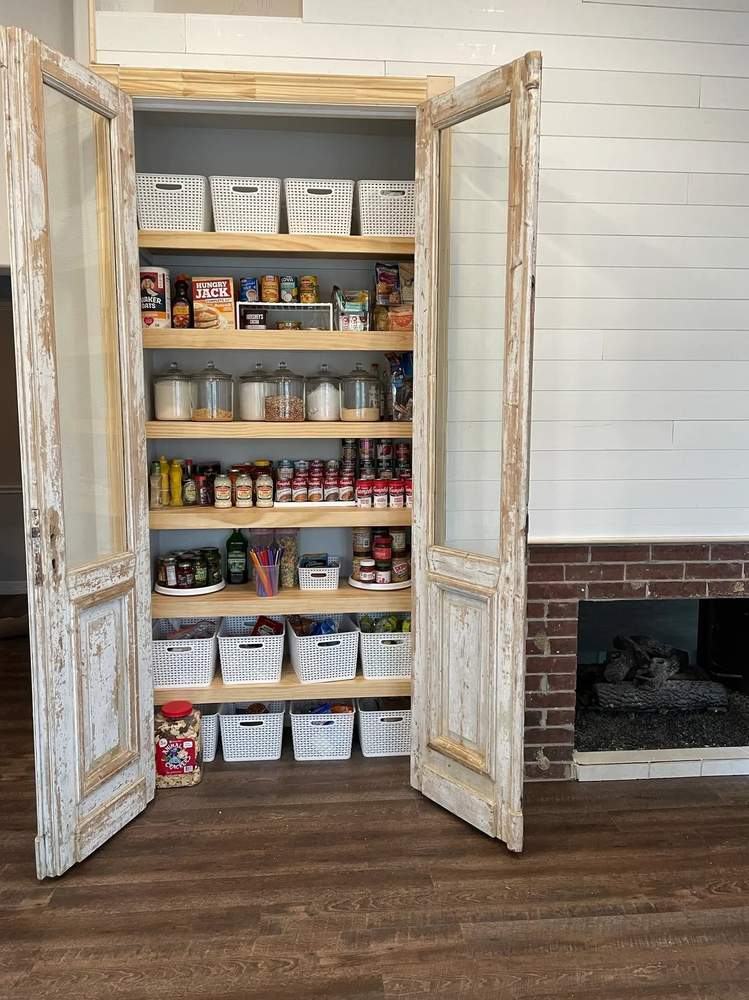
Custom pantry with antique doors by Pomroy Builders Group

Going the Extra Mile: A Contractor's Commitment to Excellence

Finding a contractor who truly cares about your project as much as you do can feel like discovering a rare gem. While many contractors prioritize the paycheck above all else, there exists a breed of professionals who understand that their work is more than just a job — it's a craft that shapes the spaces we live in. These are the ones who go the extra mile, ensuring that every detail is meticulously attended to and that the final product seamlessly integrates with the rest of your home.

When you hire a contractor who goes the extra mile, you're investing in more than just their labor. You're investing in their dedication to excellence. From the initial consultation to the final walkthrough, these contractors leave no stone unturned. They take the time to understand your vision, offering insights and suggestions that enhance the project's overall quality.

When renovating a kitchen, they won't just install new cabinets and countertops — they'll ensure that the design flows naturally with the existing layout and architectural style of your home. They pay attention to the small details that can make a big difference, such as matching hardware finishes or choosing complementary colors. The pantry pictured above is a perfect example: custom pine shelving built to fit perfectly inside a set of antique doors the homeowner already loved. The goal wasn't just storage — it was creating something that felt like it had always belonged there.

One hallmark of a contractor who goes above and beyond is their commitment to making your project confluent with the rest of your home. They understand that seamless integration is essential for maintaining the aesthetic and functional harmony of your living space. Whether it's a bathroom remodel or a room addition, they strive to achieve a result that feels like a natural extension of your home — not an isolated improvement.

Achieving this level of integration requires not only technical skill but also a keen eye for design and a deep understanding of construction principles. These contractors collaborate closely with architects, designers, and homeowners to ensure that every aspect of the project — from structural integrity to interior finishes — is thoughtfully executed.

Hiring a contractor who prioritizes quality over speed may come with a higher price tag. But consider this: the true cost of a project extends beyond the initial investment. A contractor who cuts corners or rushes through a job to maximize profit may end up costing you more in the long run through repairs, replacements, and dissatisfaction with the final result.

A contractor committed to excellence not only delivers superior craftsmanship but also provides peace of mind. You can rest assured that your project is in capable hands, with every effort made to exceed your expectations. That dedication translates into enhanced durability, functionality, and aesthetic appeal — qualities that add long-term value to your home.

In the world of contracting, going the extra mile is not just a choice — it's a philosophy. It's about treating each project with the care and respect it deserves, recognizing that behind every blueprint is a homeowner's dream. When you find a contractor who shares your vision and is willing to invest in it as passionately as you are, you've found a partner in transforming your house into a home.

Whether you're planning a renovation, a remodel, or a new construction project, consider the value of hiring a contractor who goes above and beyond. Their commitment to excellence may come with a higher price tag, but the investment in quality craftsmanship and superior service is one that pays dividends for years to come.


Topics We’ll Cover
How to Vet a Contractor
What Preconstruction Really Means
Understanding Your Remodeling Budget
When to DIY vs. Hire a Pro
What a Schedule of Values Tells You
Small Business & Craftsmanship